logo
Nachricht senden
Hebei Better United Import And Export Co., Ltd.

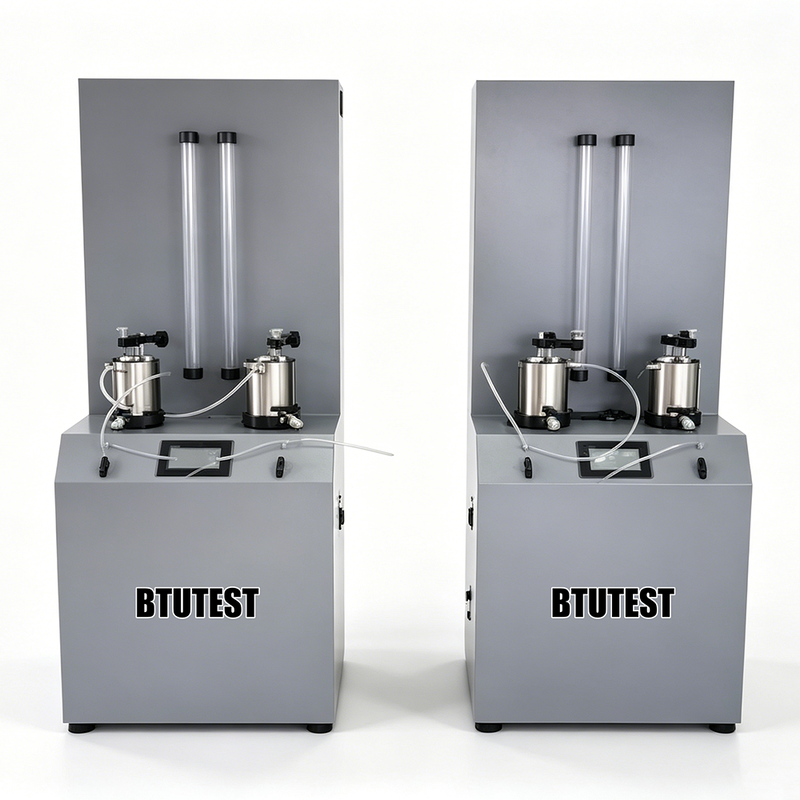
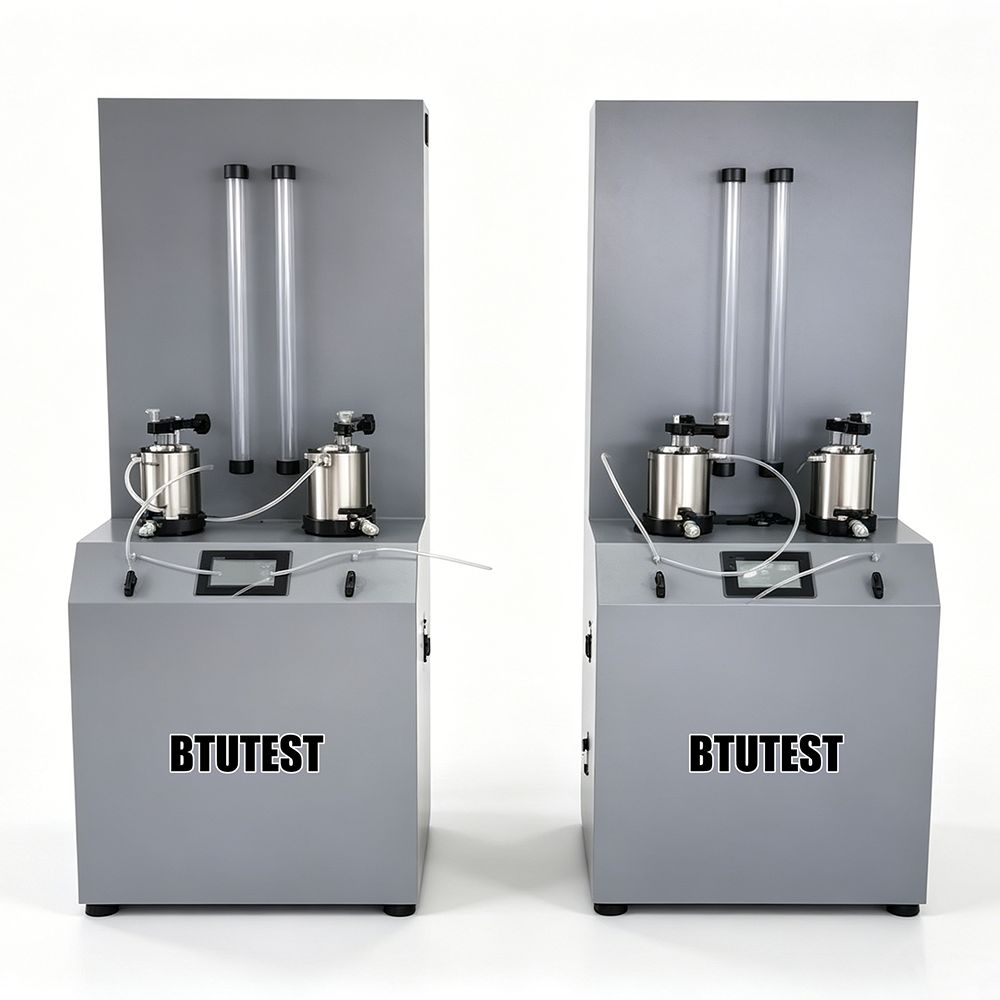
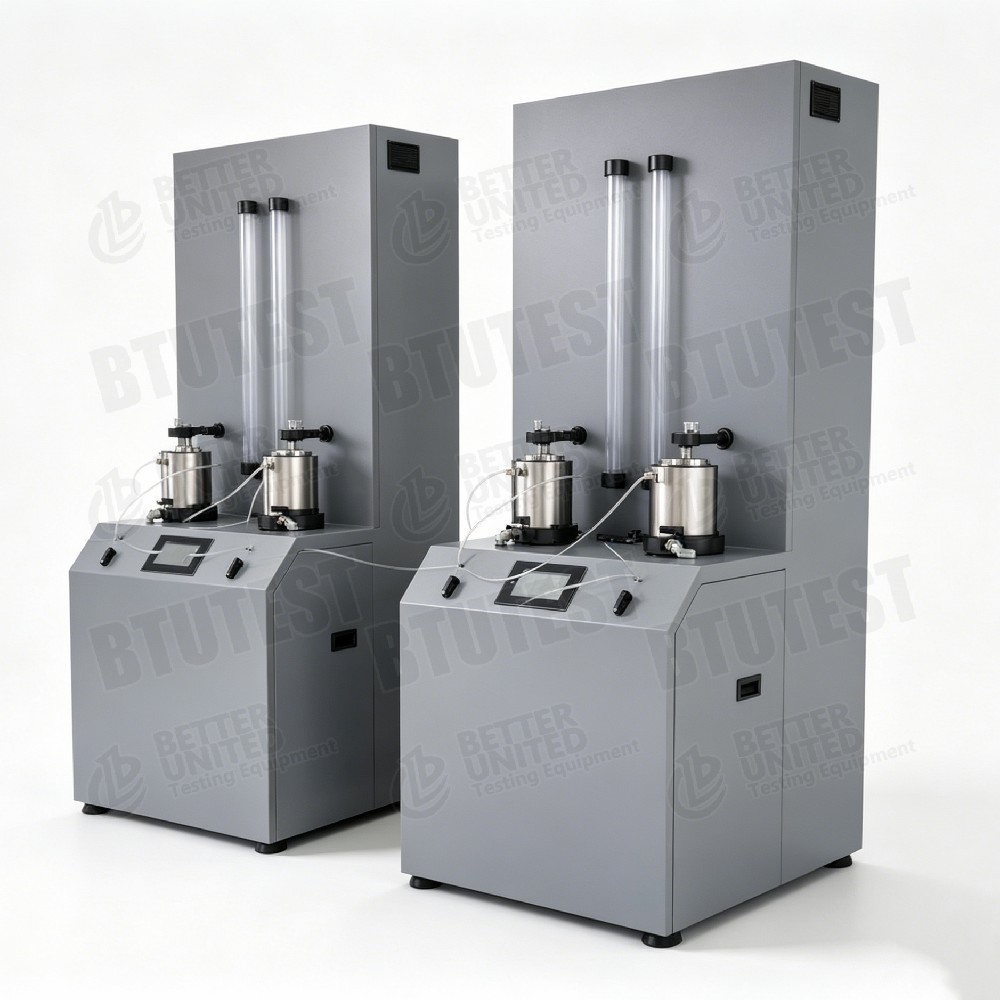
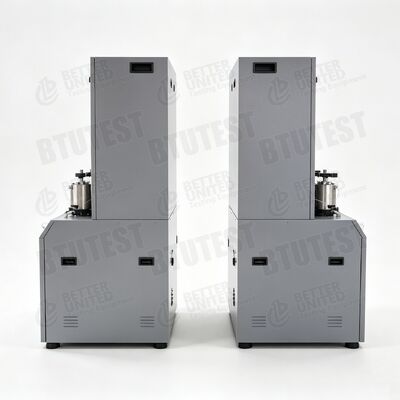
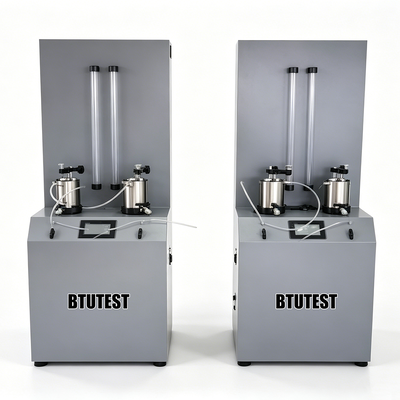
intelligent dual‑gang variable head permeameter

Produktdetails:
Herkunftsort: IN CHINA HERGESTELLT
Markenname: BTUTEST
Zertifizierung: SGS, INTERTEK
Modellnummer: BTU-ATP-2
Zahlung und Versand AGB:
Min Bestellmenge: 1 Satz
Preis: Verhandelbar
Verpackung Informationen: Boden-Testgerätstandardexportholzkiste
Lieferzeit: 6 Tage nach der Zahlung
Zahlungsbedingungen: L/C, D/A, D/P, T/T, Western Union
Versorgungsmaterial-Fähigkeit: 100 Sätze pro Monat
  • Detailinformationen
  • Produkt-Beschreibung

Detailinformationen

Struktur: Dual-Gang (2 unabhängige Kanäle) Exemplar-Durchmesser: 100 mm
Probenhöhe (Fließweg): 100 mm Kopfbereich: 0-600 mm
Kopfauflösung: 1 mm Kopfgenauigkeit: ±0,3 % des Skalenendwerts

Produkt-Beschreibung

                                           intelligent dual‑gang variable head permeameter

intelligent dual‑gang variable head permeameter 0 


Description

The BTU‑ATP‑2 intelligent dual‑gang variable head permeameter is a laboratory apparatus used to determine the permeability coefficient of soils, especially coarse‑grained soils (sandy soils or mixtures) that have high permeability coefficients. Traditional methods rely on manual reading, recording, and calculation, which are time‑consuming, prone to human error, and inefficient. Based on Darcy’s law, this instrument incorporates intelligent design and improved construction, enabling computer‑automated data acquisition and processing. It eliminates manual readings, reduces human error, significantly improves test accuracy and efficiency, and greatly reduces labor intensity.

Test Standards

  • ASTM D2434(Standard test method for permeability of granular soils)
  • ASTM D5084(Standard test methods for measurement of hydraulic conductivity of soils using variable head)
  • ISO 17892‑11(Geotechnical laboratory testing – Determination of permeability)
  • GB/T 50123‑2019(Standard for geotechnical testing method – Variable head permeability section)

Specification


Item Parameter
Structure Dual‑gang (2 independent channels)
Specimen diameter 100 mm
Specimen height (flow path) 100 mm
Head range 0 – 600 mm
Head resolution 1 mm
Head accuracy ±0.3% of full scale
Applicable materials Sandy soils or mixtures (coarse‑grained soils)
Water supply tank capacity Approx. 2 L (automatic refill by micro pump)
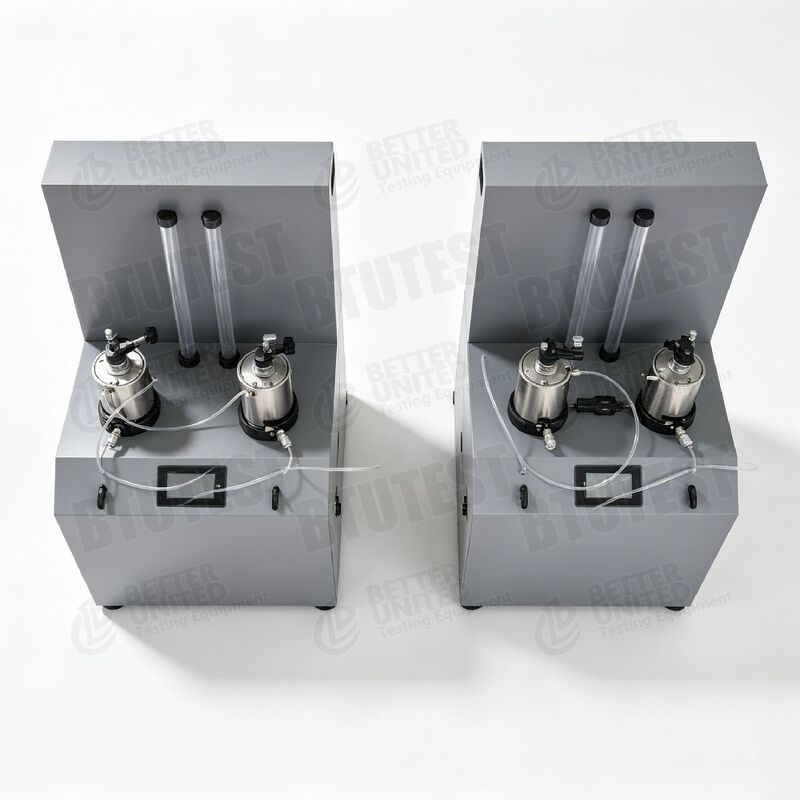
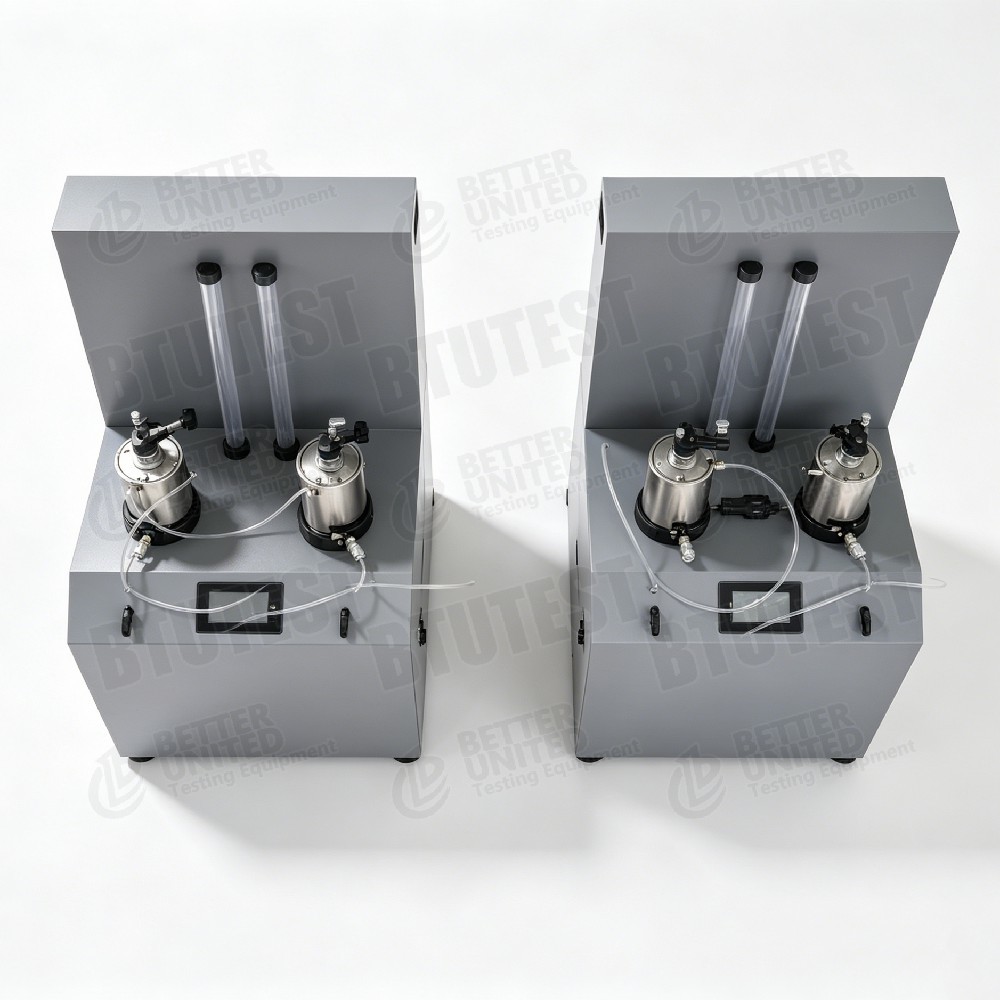
Water level measuring tubes Two sets of acrylic tubes, 20 mm diameter
Valve configuration 3‑way 2‑position ball valve + quick‑connect fitting + hand‑tightened reaction device
Data acquisition Computer‑automated acquisition and processing software
 

Detail


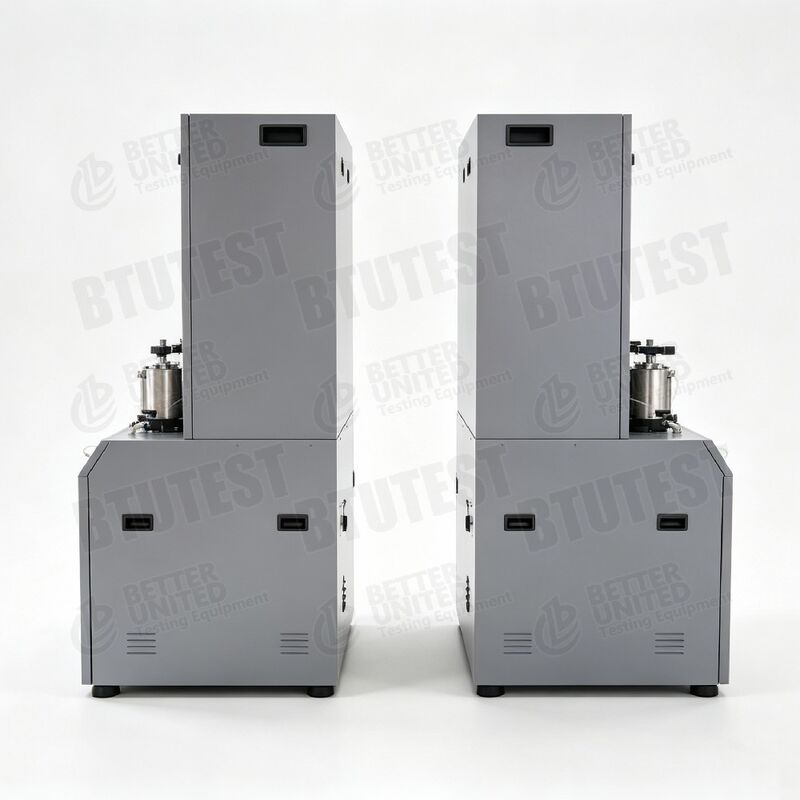
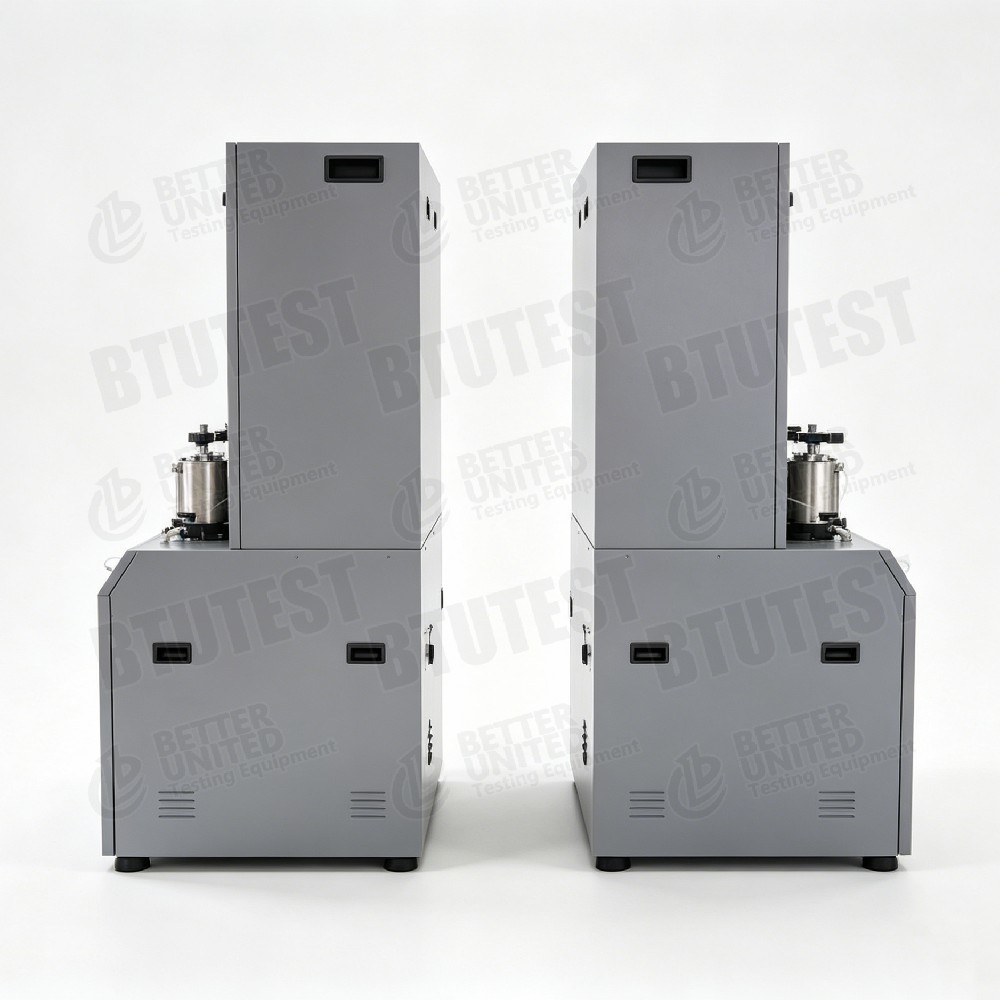
  • Permeability cell: Includes cell, cell base, upper pressure piston, fixing bracket, etc.
  • Anti‑particle loss design: A hand‑tightened reaction device is added above the permeability cell, and the base is equipped with a 3‑way 2‑position ball valve and quick‑connect fittings to effectively prevent loss of fine particles during testing of coarse‑grained soils.
  • Water supply system: A micro pump automatically fills the 2 L water tank to maintain a stable head.
  • Water level measuring panel: Two sets of acrylic water level tubes (20 mm diameter) allow clear visual reading of head height (0–600 mm), while the system simultaneously records data automatically.
  • Automated acquisition: A dedicated computer‑based acquisition and processing software automatically records head changes over time without manual intervention.
  • Targeted improvement: Specifically designed for coarse‑grained soils (high permeability, short test duration), solving problems of insufficient manual reading speed and poor accuracy.

Application


  • Determination of permeability coefficients of sandy soils, gravel‑sand mixtures, and other coarse‑grained soils
  • Seepage characteristic studies for earth dams, roadbeds, embankments, and other engineering structures
  • Quality control of coarse‑grained soils used as fill materials
  • Automated teaching and testing in university and research geotechnical laboratories
  • Rapid acquisition of permeability parameters for high‑permeability soil layers in geotechnical site investigations

Advantages


  • Dual‑gang high efficiency: Tests 2 specimens simultaneously, balancing efficiency and cost – suitable for small‑to‑medium batch testing.
  • Specifically for coarse‑grained soils: Solves problems of conventional permeameters such as clogging, particle loss, and untimely manual readings.
  • Fully automated acquisition: Computer automatically records head vs. time, eliminating manual reading errors and improving accuracy.
  • High‑precision head measurement: 1 mm resolution, ±0.3% FS accuracy ensures reliable data.
  • Anti‑particle loss design: Hand‑tightened reaction device + 3‑way ball valve maintain specimen integrity during testing.
  • Short test duration: Takes only minutes to tens of minutes per test, matching the fast permeability of coarse‑grained soils.
  • Labor saving: No need for manual attendance; software automatically calculates permeability coefficient and outputs reports.

What To Choose

Requirement Recommendation
Permeability testing of coarse‑grained soils (sand, gravel, mixtures) Dedicated design with anti‑loss features and automatic acquisition – ideal for high‑permeability materials
Improve efficiency and reduce human error Dual‑gang structure + automatic acquisition – tests 2 samples simultaneously, no manual reading
Limited lab space but need automation Dual‑gang is more compact than 4‑gang, moderate cost, fully functional
Low accuracy and time consumption with manual methods Upgrade to automated equipment – more reliable data, greatly reduced labor intensity
Teaching demonstration or research Intuitive software interface generates head‑time curves and permeability coefficients for easy analysis


Process Flow

  • Specimen preparation: Prepare a Φ100mm × 100mm sandy soil or mixture specimen according to standard procedures.
  • Specimen installation: Place the specimen into the permeability cell, ensure a good seal, and tighten the hand‑tightened reaction device to prevent particle loss.
  • System connection: Connect the water level tubes, water supply tank, 3‑way valve, and computer acquisition system.
  • Saturation and degassing: Saturate the specimen using the water supply system and remove air bubbles from the lines.
  • Set initial head: Set the initial water head height (within 0–600 mm range).
  • Start test: Activate the pump to maintain head; the computer automatically records head drop vs. time for each channel.
  • Automatic calculation: The software computes the permeability coefficient for each specimen using the variable head formula.
  • Generate report: Produce a test report including head‑time curves and permeability coefficient results.


Nehmen Sie Kontakt mit uns auf

Tragen Sie Ihre Mitteilung ein

Sie könnten in diese sein